Gov’t Sets Stage for the Construction of 1st Alumina Refinery, a New Era for Ghana’s Bauxite Industry
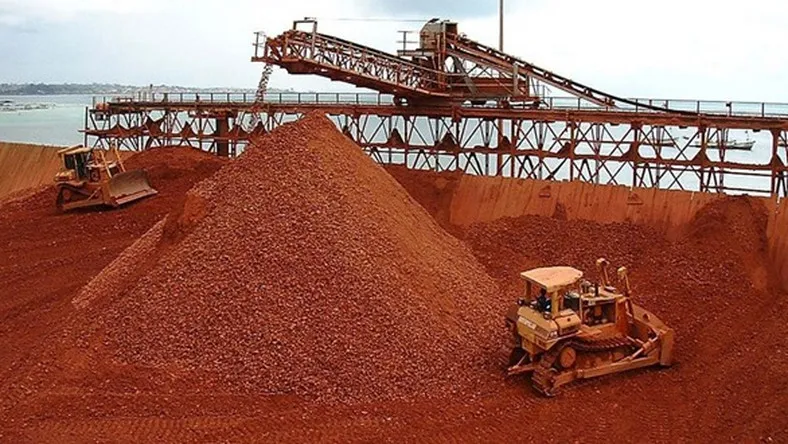
Ghana’s bauxite wealth, for generations, was a tale of digging the raw minerals from the earth, shipping abroad, and returning as expensive finished products, but this vicious cycle, after many decades, may finally be nearing its end.
The government has received a decisive boost in its push to change that narrative, as an investor selection committee submitted its analysis on proposals to build Ghana’s first large-scale alumina refinery under the Ghana Integrated Aluminium Development Corporation (GIADEC).
According to the government, the refinery is not just another infrastructure project, it is the missing link in Ghana’s dream of building an Integrated Aluminium Industry.
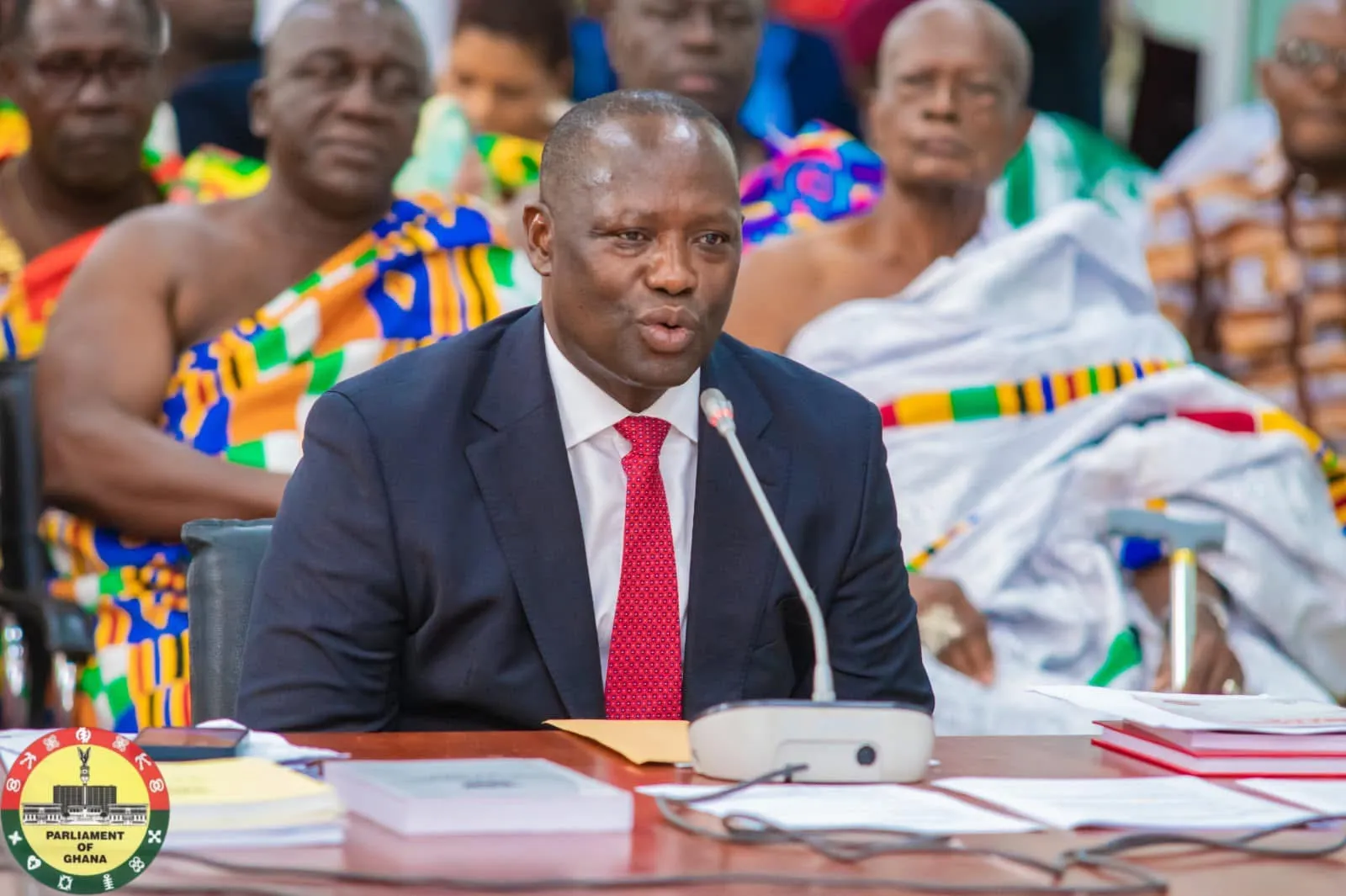
Speaking at the handover of the report, Lands and Natural Resources Minister Hon. Emmanuel Armah-Kofi Buah described the refinery and VALCO modernisation as “interdependent and mutually reinforcing.”
In simple terms, the refinery will process bauxite into alumina locally, and that alumina will feed the VALCO smelter. Together, they will keep value, jobs, and skills within Ghana.
He further added that the economic implications are far-reaching. Instead of exporting low-value raw bauxite, Ghana will export higher-value alumina and aluminium products. This shift improves export earnings, strengthens the cedi, and reduces vulnerability to volatile commodity prices.
The construction of the refinery alone is expected to generate thousands of jobs, from engineers and technicians to artisans, drivers, and suppliers. Once operational, it will support entire industrial clusters around mining, refining, power generation, rail, ports, and downstream manufacturing.
The committee, in presenting the report, emphasized that the investor evaluation process was exhaustive. Companies were assessed not only on their ability to finance and build the refinery, but also on environmental stewardship, social responsibility, sustainable power solutions, and governance structures that protect Ghana’s long-term interests.
The committee used detailed decision matrices, SWOT analysis, and in-person interviews to verify claims and capabilities.
This careful approach reflects hard lessons from the past. Ghana is determined not to repeat extractive models that enrich others while leaving environmental damage and limited local benefit behind.
The Chief Executive Officer of GIADEC, Reindorf Twumasi Ankrah, reaffirmed that the refinery is central to the government’s vision of positioning Ghana as a serious player in the global aluminium industry.
More importantly, he stressed that the project aligns with President John Dramani Mahama’s reset agenda, which prioritises value addition, jobs, and industrial self-reliance.
Credit: The High Street Journal